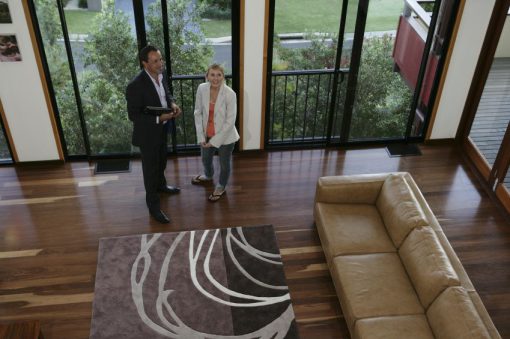

About This Guide LocalAgentFinder has connected Australian homeowners with experienced real estate agents since 2007. This guide draws on agent performance data across every Australian state to help you make winter work in your favour rather than against you. Compare local agents with a track record of selling in the winter months.
Winter is often seen as the "wrong" time to list — but the numbers rarely support the fear. Fewer sellers, similar buyer demand, and homes that photograph beautifully in warm interiors can actually make selling a house in winter an advantage. This guide covers when winter beats spring, the tactics that turn cold-weather inspections into offers, and how the calculus changes depending on where you are in Australia.
Before you commit to a winter sale, know what your home is worth. Get a free property value estimate — a one-minute check that grounds every decision that follows.
Is winter a good time to sell a house in Australia?
Winter can be an excellent time to sell in Australia, and often outperforms sellers' expectations. Listing volumes drop meaningfully between June and August as many owners wait for spring, which means less competition for the buyers who are still actively looking. Buyer demand in winter tends to be more focused — the people at open homes in July aren't casual browsers.
The catch is that winter selling rewards preparation. A well-staged, well-lit, warm home in July will outperform a cold, dim home in October. The advantage isn't seasonal luck — it's execution.
What are the advantages of selling in winter?
Winter's structural advantages in the Australian market cluster around three ideas: less competition, more serious buyers, and warmer atmosphere as a selling tool.
- Less competition. Fewer listings on the market means your home stands out. Buyers who might scroll past your listing in a crowded spring feed will actually click through in July.
- More serious buyers. People inspecting homes on a cold Saturday morning are motivated. Casual "just looking" traffic drops away, leaving genuine offers.
- Warmth as an asset. A well-heated home with soft lighting and warm textures creates an emotional response spring can't match. Buyers subconsciously translate "comfortable" into "I could live here."
- Faster settlements. With fewer competing sales in the conveyancing pipeline, winter settlements often complete faster than the spring rush.
What are the disadvantages of selling in winter (and how to overcome them)?
Winter selling has real disadvantages — lower open-home foot traffic, poor natural light, and weather-affected inspection days. The tactics below turn each one from a liability into a solvable problem.
- Lower foot traffic. Fewer walk-ins per open home, but the ones who show up are qualified. Focus your agent's marketing spend on active buyer databases rather than pure signage and print.
- Poor natural light. Overcast winter days can make interiors look drab. Clean windows, layered lighting, and mirrors placed opposite windows are the fastest wins (detailed below).
- Weather-affected inspection days. Rain or heavy cold can knock 30–50% off open-home attendance. Choose an agent who's flexible with reschedules and has a rain plan.
Key insight: Real estate professionals across Australia consistently report that winter listing volumes sit 20–30% below spring peaks, while active buyer inquiries remain steady in metropolitan markets. Fewer sellers competing for the same pool of ready-to-act buyers is the structural advantage — but only if your listing is prepared to convert the traffic it does get.
How do you prepare a house for a winter inspection?
Winter inspection preparation is about warmth, light, and confidence. Buyers walking in from a cold morning need to feel a physical and visual "welcome" the moment the door opens. The eight tactics below cover the standard playbook.
Boost your curb appeal
The exterior sets the first impression before anyone crosses the threshold. Rake fallen leaves, mow the lawn, prune dead branches, and add potted winter flowers (cyclamens, pansies, hellebores) near the entrance. A tidy garden reads as "cared for" — the opposite of "cold and neglected."
Use winter staging tricks
Layer thick throw blankets over sofas, add textured cushions, and dress beds with weight and warmth. If you have a fireplace, use it during inspections — a lit fire is one of the strongest emotional cues in Australian real estate photography and open homes.
Clean the windows to maximise natural light
Overcast winter days are already dim; muddy or streaked windows compound the problem. Clean every window inside and out the week of your open home. Any hour of sun the sky offers should reach the room unobstructed.
Layer artificial lighting
Turn on every lamp and overhead light during inspections, including hallway and cupboard lights. Warm-white bulbs (2700K–3000K) look far more inviting than cool-white in winter. Place mirrors opposite windows to bounce light and open up smaller rooms.
Keep the heating on (but not too high)
Set the home to a comfortable 20–22°C an hour before the inspection starts. Buyers stepping in from the cold will feel welcomed — but push it above 24°C and it feels stuffy, not cosy. Also demonstrates that the heating system works, which quietly answers a common winter buyer concern.
Take care of visible repairs
Winter rain exposes weaknesses. Fix leaking gutters, damp patches, cracked roof tiles, and any drips before the first open home. Water stains on a ceiling during a winter inspection will cost you more than the repair.
Protect the interior from wet weather
Set up an umbrella stand, coat rack, and thick welcome mat at the door. Consider a polite "please remove shoes" sign — this signals a well-cared-for home and protects your carpets from tracked-in mud. Both work in your favour.
Show what the home looks like in warmer months
Buyers can struggle to visualise a garden in July that will bloom in October. Display a few printed photos of the home in spring and summer — outdoor entertaining areas, pool, garden in full colour. Bridges the imagination gap.
Estimate all the costs of selling — commission, marketing, conveyancing. Try the free LocalAgentFinder selling costs calculator before you commit to a listing date.
What time of day is best for a winter open home?
Schedule winter open homes as close to solar noon as possible — typically 11:00 am to 1:00 pm in most Australian capitals. This is when natural light peaks, the home feels warmest without heating overload, and gardens photograph best. Late-afternoon inspections often finish in near-dark by mid-winter, which flattens the impact of every other tactic on this list.
How does winter selling vary across Australian states?
"Winter" in Australia varies from mild to genuinely cold, and the tactics adjust accordingly:
- Brisbane and Queensland — winter is mild (10–22°C typical daytime). Curb appeal and outdoor spaces still perform strongly. Heating tactics matter less; lighting matters more.
- Sydney and New South Wales — cool but usually dry. Standard winter playbook applies. Rain plans are important but not central.
- Melbourne and Victoria — cold, wet, and dark. Full playbook required: heating, layered lighting, warm staging, umbrella stand.
- Adelaide and South Australia — cold and wet, though shorter winter. Similar to Melbourne but the season ends earlier.
- Perth and Western Australia — rainy winter, mild temperatures. Weather-proofing entryways matters most.
- Hobart and Tasmania — the coldest Australian winter. Full warmth tactics, plus an even higher premium on solar-noon inspection timing (Hobart has the shortest daylight hours).
- Canberra and the ACT — dry, frost-prone, and cold. Heating and pathway safety (no icy steps) matter more than in coastal markets.
- Darwin and Northern Territory — the "dry season." Winter here is peak selling season; treat as spring rather than winter for tactical purposes.
How to find an agent who sells well in winter
Not every agent is equally effective in winter. When comparing agents, look for three signals:
- Winter track record. Ask each agent for a list of sales they've completed in the June–August window in the last two years. Days-on-market and sold-price-to-listing-price ratios in winter tell you more than annual averages.
- Flexibility with inspection scheduling. A good winter agent has a rain-day plan and moves inspections without friction. Ask directly.
- Marketing plan tailored to winter buyers. Winter marketing should skew toward active buyer databases and digital targeting rather than pure walk-in signage — the buyer mix is different.
Ready to find an agent who sells well in winter? LocalAgentFinder is Australia's free comparison service — see performance data, winter sale records, and reviews from top agents in your suburb.
Key Takeaways
- Winter listing volumes drop 20–30% below spring — less competition for the same active buyers is the core advantage.
- Winter selling rewards preparation. Well-executed winter listings often beat crowded spring campaigns.
- Focus on warmth, light, and cleanliness. Clean windows, layered lighting, warm staging, and 20–22°C heating are the highest-leverage tactics.
- Schedule open homes between 11:00 am and 1:00 pm to maximise natural light.
- The playbook varies by state — Melbourne and Hobart need the full toolkit; Brisbane and Darwin need less.
- Compare agents on their winter-specific track record, not just annual averages.
Frequently Asked Questions
Yes — often better than expected. Listing volumes drop 20–30% below spring peaks while active buyer demand stays steady in metro markets. Fewer sellers competing for the same buyers is the structural advantage, provided your home is well-prepared.
It's different, not harder. You'll have fewer open-home visitors, but the ones who show up are more serious. The homes that struggle in winter are ones that look cold, dim, or unprepared — the same problem exists in any season, winter just amplifies it.
Not automatically. Spring means more buyers but also more competing listings, and your home may get lost in the crowd. If your property presents well warm, well-lit, and cosy, winter can deliver a faster sale at a better price than a crowded spring campaign.
Generally no — sale prices track the broader market rather than the season. What does happen is that poorly-prepared winter listings sell for less than they should, because the home doesn't present well. Preparation is what determines your price, not the calendar.
Focus on warmth, light, and cleanliness. Turn on every light, use warm-white bulbs (2700–3000K), heat to 20–22°C an hour before inspections, layer throw blankets and cushions, clean the windows inside and out, and use mirrors opposite windows to bounce light.
Between 11:00 am and 1:00 pm. That's when natural light peaks in most Australian capitals, gardens photograph best, and the home feels warmest without overworked heating. Avoid late-afternoon slots in June and July — they finish in near-dark.
Related Pages
Recent Posts
You might also like

10 Questions to Ask a Real Estate Agent When Selling
December 12, 2025

10 Ways to Increase Property Value Before Selling Your Home
February 24, 2026