
Can Painting Your House Increase Property Value?
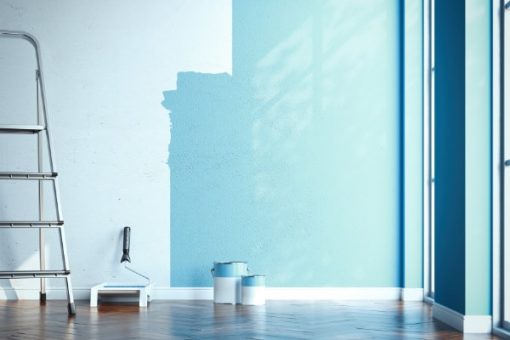
Painting your home can make a world of difference to your property's appearance—and its value. Whether you're preparing to sell or simply want to refresh your home, understanding the costs involved helps you make a smart investment decision.
In 2026, house painting costs in Australia range from $4,000 for a small apartment to $20,000+ for a large four-bedroom home. But the return on investment can be significant—a quality paint job can add 5–10% to your property's sale price.
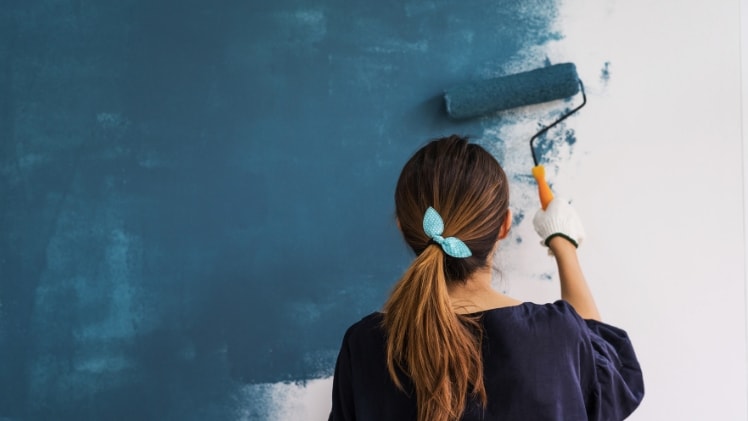
Before You Paint, Know Your Property's Value
Understanding your home's current worth helps you decide if painting is the right investment. Get a free property appraisal from an experienced real estate agent who can advise on improvements that will maximise your sale price.
About This Guide LocalAgentFinder has supported Australian homeowners preparing for sale since 2007. The cost ranges in this guide reflect 2026 market rates from licensed Australian painting contractors. Costs vary significantly by state, property size, and surface condition — obtain at least three quotes before committing. Get a free property appraisal to confirm painting will deliver the return you expect before you spend.
2026 House Painting Costs in Australia
Painting costs vary significantly depending on whether you paint yourself or hire professionals. While painting may seem simple, the preparation required to achieve a high-quality finish is often underestimated.
Interior Painting Costs
For standard interior painting, expect to pay $20–$30 per square meter. This typically includes an undercoat layer and two finishing coats—the recommended approach for a lasting result.
For textured finishes (such as a sponged effect), costs increase to $30–$40 per square meter. More complex jobs with doors, architraves, and detailed trim can reach $60–$100 per sqm.
What affects interior painting costs:
- Surface preparation (cracks, holes, old paint removal)
- Number of doors and architraves
- Ceiling height (high ceilings require scaffolding)
- Paint quality and finish type
- Room complexity and layout
Exterior Painting Costs
Exterior painting costs range from $15–$60 per square metre, with significant variation based on:
Why exterior costs vary so much:
- House size – Larger homes require more paint and labour
- Materials – Brick, timber, and weatherboard each require different preparation
- Level of detailing – Victorian lacework and ornate features take longer
- Surface condition – Some walls need pressure cleaning or repairs before painting
- Two-storey homes – May require scaffolding and additional equipment
- Access problems – Difficult access makes the process more time-consuming
Roof Painting Costs
Roof painting requires specialist equipment and safety protocols:
Total Cost: Full House Repaint in 2026
For a complete interior and exterior repaint of an average Australian home:
The costs above were researched at the time of publication. Please use these figures as a guide only and obtain quotes from local painters for accurate pricing.
DIY Painting Costs
If you'd like to paint your house yourself, you'll need:
Equipment required:
- Paint and primer
- Paint brushes and rollers
- Roller tray
- Ladder
- Stirrer (usually free with paint)
- Tape measure
- Pouring spout
- Painter's tape (to protect trim)
- Hole filler
- Drop cloths to protect floors
- Basic toolset
- Sponge
DIY cost considerations:
- Paint: $30–$45 per litre
- Equipment: $400–$500 for brushes, rollers, trays, tape, drop cloths
- Time: The biggest cost—an average room takes several hours to prep and paint properly
DIY vs Professional: Is It Worth It?
Important: Surface preparation is the most critical factor in a lasting paint job. Professional painters know how to prep properly—saving you from costly repaints down the track.
Will Painting Increase Your Property Value?
The Short Answer: Yes—If Done Right
Key stat: A quality paint job — interior and exterior — can add 5–10% to a property's sale price. On a $600,000 home, that's a potential uplift of $30,000–$60,000 for an outlay of $8,000–$15,000. Fresh paint also signals to buyers that a home is well-maintained, reducing the need to negotiate on price.
Why Painting Adds Value:
- First impressions matter – Buyers judge properties within seconds
- Move-in ready appeal – Buyers pay more for homes they can move straight into
- Perceived maintenance – Fresh paint signals a well-maintained property
- Brighter, larger spaces – Light, neutral colours make rooms feel bigger
- Broader buyer appeal – Neutral tones attract more potential buyers
What Buyers See:
If paint is peeling or faded, the only buyers interested may be bargain hunters looking to flip your property for profit. A fresh paint job lets you capture that value instead.
Which Rooms Should You Paint First?
If budget is a concern, focus your painting investment where it matters most:
Priority Rooms:
- Kitchen – Often the heart of the home; buyers notice dated or worn paint immediately
- Bathroom(s) – High-moisture areas show wear quickly; fresh paint signals good maintenance
- Living areas – Where buyers spend most time during inspections
- Entry and hallway – First impressions count
Consider a "Blank Canvas" Approach
Not every room needs a full repaint. Some buyers prefer to renovate and personalise a property themselves. Over-capitalising on painting can eat into your profit without adding equivalent value.
A strategic approach:
- Paint high-impact areas (kitchen, bathroom, living spaces)
- Leave secondary rooms neutral but presentable
- Let buyers see potential rather than your personal style
The kitchen and bathroom are must-have painted rooms. Leaving the rest of the property as a blank canvas may appeal to some buyers who plan to renovate anyway.
Best Paint Colours for Selling
When painting to sell, choose colours that appeal to the widest range of buyers:
Interior:
- Whites and off-whites – Bright, clean, timeless
- Light greys – Modern, sophisticated
- Warm neutrals – Welcoming, versatile
- Soft greiges – Grey-beige blend, universally appealing
Exterior:
- Classic white – Clean, fresh, suits most styles
- Soft grey – Contemporary, low-maintenance look
- Muted earth tones – Blend with Australian landscapes
- Charcoal accents – Modern contrast for trim and doors
Avoid bold or unusual colours that may limit buyer appeal. The goal is to help buyers envision themselves living in the space.
Where to Begin
A good place to start is getting quotes from a few different painters in your area. But remember—it's important to weigh up costs against experience.
Key considerations:
- A slightly more expensive painter may be much more efficient
- A cheaper painter could cost more in the long run if they skip proper preparation
- Always ask about their prep process—this is what separates good painters from great ones
- Request references or examples of previous work
Painting in Preparation to Sell?
If you're painting ahead of selling, ask a real estate agent for advice first. They'll know:
- Current buyer trends – What colours and finishes are popular in your market
- Priority areas – Which rooms will deliver the best ROI
- Over-capitalisation risks – When painting isn't worth the investment
- Reputable local painters – Agents often have connections with quality tradespeople
- Staging advice – How to present painted rooms for maximum impact
An experienced agent can help you decide if painting is the right investment—or if your budget is better spent elsewhere.
Get a Free Property Appraisal First
Before investing in painting or any improvements, understand your property's current value and what buyers in your area are looking for.
LocalAgentFinder helps you:
- Get a free property appraisal – Know your home's worth
- Compare experienced agents – Find one who knows your market
- Understand buyer expectations – What improvements matter most
- Make informed decisions – Invest where it counts
Why Homeowners Choose LocalAgentFinder:
- Free service – No cost, no obligation
- Side-by-side comparison – Evaluate multiple agents
- Agent ratings and reviews – Verified feedback from sellers
- Local expertise – Agents who know your suburb
Ready to Find Out What Your Property Is Worth?
Get expert advice on whether painting will increase your property value—and by how much.
Get a Free Property Appraisal | Find an Experienced Agent
Key Takeaways
- Interior painting costs: $20–$30/sqm standard, $6,000–$40,000 total depending on home size
- Exterior painting costs: $15–$60/sqm, $4,000–$28,000 total depending on size and surface
- Full repaint (interior + exterior): $23,500–$50,500 for average home
- Potential value increase: 5–10% of property value
- Priority rooms: Kitchen and bathrooms are must-haves
- Best colours: Light, neutral tones appeal to most buyers
- Don't over-capitalise: Some buyers prefer a blank canvas
- Get an appraisal first to understand if painting is the right investment
Frequently Asked Questions
A full house repaint costs $4,000–$20,000+ depending on size, surface type, and scope. Interior painting runs $20–$30 per square metre for standard work. Exterior painting costs $15–$60 per square metre, varying by material, house height, and surface condition.
Standard interior painting (undercoat plus two finishing coats) costs $20–$30 per square metre. Textured finishes cost $30–$40 per square metre. Rooms with complex trim, architraves, and multiple doors can reach $60–$100 per square metre due to additional preparation time required.
Exterior painting costs $15–$60 per square metre. Variation depends on house size, material type (brick, timber, weatherboard), surface condition, level of architectural detail, and whether scaffolding is required for two-storey homes or difficult access areas.
Yes. A quality paint job can add 5–10% to your sale price. On a $500,000 home, that's a potential increase of $25,000–$50,000 — far exceeding the cost of painting. Fresh paint also signals a well-maintained property, broadening buyer appeal and reducing price negotiation.
Neutral tones — warm whites, soft greys, and off-whites — attract the broadest buyer pool by making it easy for buyers to visualise their own furnishings. Avoid bold, highly personal colour choices that can divide opinion and reduce the number of interested buyers.
For selling purposes, professional results present significantly better in photography and at inspections. DIY requires $400–$500 in equipment plus paint at $30–$45 per litre, and thorough preparation is time-consuming. The quality difference is visible and influences buyer first impressions.
Professionals complete interior painting of a 3–4 bedroom home in 3–7 days, and exterior work in 3–5 days. DIY takes considerably longer due to preparation time. Full interior and exterior repaints by a professional team are typically completed within 1–2 weeks.
Related Pages
Recent Posts
You might also like

How to Sell Your Property Fast in Australia (2026)
February 26, 2026
Bathroom Renovation Costs Australia 2026 | Price Guide
February 26, 2026
Should You Install a Water Tank to Add Property Value?
December 19, 2025