

What Makes a Property Increase in Value?
Choosing a property with strong growth potential is one of the smartest financial decisions you can make. But not every property is destined to appreciate—the key is knowing what to look for.
Whether you're buying your first home or adding to an investment portfolio, understanding the factors that drive property value helps you make informed decisions and maximise your returns.
Here are five essential factors to consider when choosing a property that will grow in value.
1. Location, Location, Location
Not all land within a suburb is valued equally. The specific position of a property can significantly impact its current worth and future growth potential.
What Increases Property Value:
- Proximity to quality schools – Always in demand from families
- Walking distance to cafes, restaurants, and shops – Lifestyle appeal
- Access to public transport – Train stations, bus routes, ferry terminals
- Parks and green spaces – Outdoor amenities boost desirability
- Growing population – More demand drives prices up
- Improved local infrastructure – New roads, hospitals, or transport links signal growth
What Can Decrease Property Value:
- Close proximity to main roads or highways (noise, pollution)
- Flight paths or airport proximity
- Industrial areas or commercial zones
- Lack of amenities or services
Pro tip: Look for suburbs with increasing population and infrastructure investment. If you tick both boxes, you're likely in a strong position for capital growth.
2. Development Plans in the Local Area
Before buying, research what's planned for the area. Future developments can significantly impact your property's value—positively or negatively.
Positive Developments:
- New train stations or transport links
- Shopping centres or retail precincts
- Schools or universities
- Parks and recreational facilities
- Urban renewal projects
Developments That May Reduce Value:
- High-rise buildings that block views or sunlight
- Industrial or commercial zoning changes
- Major road construction nearby
- High-density housing that increases congestion
Where to Find Development Information:
- Local council websites – Planning applications and zoning changes
- State government planning portals – Major infrastructure projects
- Community consultation notices – Upcoming developments requiring public input
Understanding what's coming to an area helps you anticipate how property values might change over the next 5–10 years.
3. Period Features and Character
Older properties with historical features often hold their value well and can appreciate significantly—especially when located in established suburbs close to CBDs.
Features That Add Value:
- High ceilings – Create a sense of space and grandeur
- Original floorboards – Sought-after by buyers
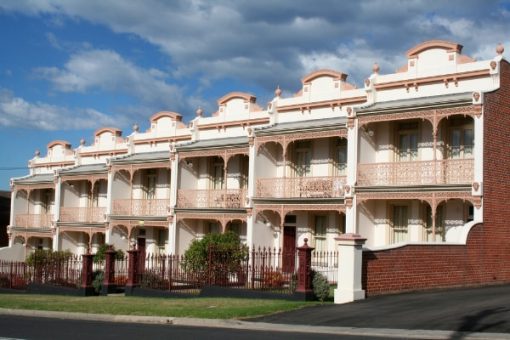
- Ornate facades – Victorian lacework, Art Deco details
- Fireplaces and architraves – Period charm
- Established gardens – Mature trees and landscaping
The Best of Both Worlds:
Properties that can be modernised while retaining original character often deliver the strongest returns. For example:
- A Victorian terrace where you can renovate the rear while preserving the heritage facade
- A Federation home with modern kitchen and bathroom additions
- A character cottage with contemporary extensions
Watch Out For:
- Properties requiring extensive restoration that may lead to over-capitalising
- Heritage restrictions that limit renovation options
- Structural issues hidden behind period features
Key insight: Period homes in inner-city and established suburbs tend to stay in demand because they can't be replicated—and supply is limited.
4. The Quality of the Build
A property's structural integrity directly affects its long-term value. Poor construction leads to ongoing maintenance costs and can deter future buyers.
What to Look For:
- Strong foundations – No cracks, movement, or subsidence
- Quality roofing – No leaks, proper drainage, good condition
- Solid insulation – Energy efficiency is increasingly valued
- Durable materials – Brick, stone, quality timber framing
- Proper drainage – No water pooling or damp issues
Get a Professional Building Inspection:
Before purchasing, always arrange a building and pest inspection. A qualified inspector will identify:
- Structural defects
- Termite damage or risk
- Electrical and plumbing issues
- Roof and gutter condition
- Moisture and ventilation problems
Important: If the inspection reveals a long list of issues, it may not be a smart investment—even if the purchase price seems attractive. Factor repair costs into your property price estimate before committing.
5. The Size of the Property
Land size and floor space directly influence a property's value and growth potential. Larger properties offer more flexibility for future improvements.
Why Size Matters:
Larger Blocks:
- Room to extend or renovate
- Potential for subdivision (in some areas)
- Appeal to families needing space
- Can market "renovation potential" when reselling
Smaller Properties:
- Limited extension options
- May be valued lower than comparable larger properties
- Less flexibility for future buyers
Consider the Street Context:
If you purchase the smallest property on a street of larger homes, it will likely remain lower in value relative to neighbours. Conversely, a well-presented home on a larger block in a street of smaller properties may outperform.
Investment tip: When comparing properties, always consider the land-to-building ratio. A modest home on a large block often has more upside than a large home on a small block.
Other Factors That Influence Property Value
While the five factors above are critical, property values are also influenced by:
- Market conditions – Supply and demand, interest rates, economic outlook
- Rental yield – Important for investors assessing returns
- Street appeal – First impressions matter to buyers
- Orientation – North-facing properties (in Australia) attract more light
- Off-street parking – Increasingly valuable in urban areas
- Energy efficiency – Solar panels, insulation, and sustainable features
How a Real Estate Agent Can Help
Choosing a property with growth potential requires local market knowledge. An experienced real estate agent can:
- Identify growth suburbs – Based on sales data and market trends
- Provide property appraisals – Understand what similar properties are worth
- Advise on value drivers – What buyers in your area prioritise
- Spot potential issues – Experience recognising red flags
- Connect you with inspectors – Building, pest, and strata reports
The right agent doesn't just help you buy—they help you buy smart.
Find a Real Estate Agent and Get a Free Property Appraisal
Whether you're buying, selling, or simply want to understand your property's current value, LocalAgentFinder helps you compare real estate agents in your area.
What You Can Compare:
- Agent fees and commissions – Understand costs upfront
- Sales history – See recent results in your suburb
- Agent ratings and reviews – Verified feedback from homeowners
- Marketing strategies – How agents will present your property
Why Homeowners Choose LocalAgentFinder:
- Free service – No cost, no obligation
- Side-by-side comparison – Evaluate multiple agents at once
- Free property appraisals – Understand your home's value
- Trusted since 2007 – Connecting Australians with top agents
Ready to Find the Right Agent?
Get expert advice on property value and market conditions from a local professional.
Key Takeaways
- Location drives value – Look for growing populations and infrastructure investment
- Research development plans – Future projects can boost or reduce property prices
- Period features add appeal – Character homes in established areas hold value well
- Build quality matters – Always get a professional inspection before buying
- Size creates options – Larger blocks offer renovation and extension potential
- Market conditions vary – Work with a local agent who understands your area