

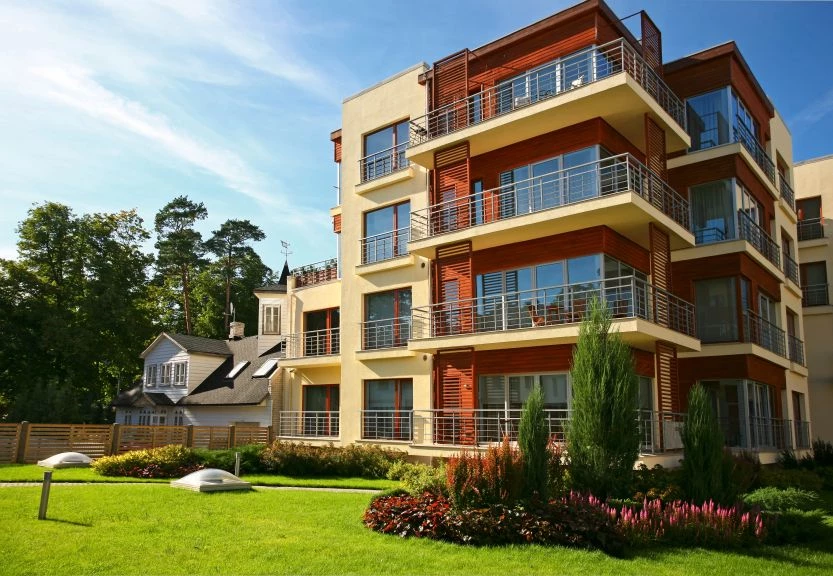
Buying a Unit or Apartment? Here's What You Need to Know About Owners Corporations
If you're looking at units, flats, or apartments—whether to live in or rent out—you'll likely encounter the term owners corporation. Previously known as a body corporate, this organisation manages the shared aspects of communal property.
Understanding how owners corporations work is essential for landlords. The decisions made by this body can directly impact your property's value, your ongoing costs, and your responsibilities as an owner.
What Is an Owners Corporation?
An owners corporation is automatically created when land is subdivided into multiple lots or titles. The moment you purchase a unit, flat, or apartment, you become a member.
The corporation manages common property—areas shared by all owners, such as:
- Pools, gyms, and recreational facilities
- Lifts and stairwells
- Pathways, driveways, and gardens
- Foyers and shared corridors
- Building exteriors and roofing
In Victoria, owners corporations are regulated under the Owners Corporation Act 2006 and the Owners Corporation Regulations 2007. Other states have equivalent legislation (often called strata laws).
What Does an Owners Corporation Do?
The owners corporation handles administrative duties that benefit all members. Key responsibilities include:
- Maintenance & repairs - Upkeep of common areas, building systems, shared facilities
- Financial management -Collecting fees, budgeting for repairs, managing reserves
- Insurance - Building insurance, public liability, workers' compensation
- Rule enforcement - Creating and enforcing rules for all residents
- Dispute resolution - Mediating conflicts between owners or tenants
The corporation acts as a governing body—making decisions that affect everyone in the building.
Owners Corporation Rules: What Can They Cover?
Until an owners corporation creates its own rules, the default Owners Corporation Regulations 2007 apply. However, most corporations develop customised rules tailored to their property.
Rules must be registered with Land Victoria (or the equivalent authority in your state) before they can be enforced. All owners and tenants must receive a copy.
Common areas covered by owners corporation rules:
- Use of common areas – Pool hours, gym access, shared facilities
- Security – Access protocols, key management, visitor policies
- Use of your lot – Renovations, modifications, business use
- Behaviour standards – Noise levels, guest conduct, nuisance prevention
- Pets – Whether pets are allowed, breed restrictions, behaviour expectations
- Safety & health – Fire safety, hazardous materials, hygiene standards
- Conflict resolution – How disputes between residents are handled
Rules can be modified with consensus from owners corporation members. If a resident breaches the rules, the corporation may:
- Issue a warning
- Apply for a breach notice through VCAT (Victorian Civil and Administrative Tribunal)
- Determine penalties at a tribunal meeting
Your Obligations as an Owners Corporation Member
Membership comes with responsibilities. Here's what you need to know:
Meeting Requirements
- New property - All members must meet within 6 months of registration
- Ongoing -Annual general meeting (AGM) required if money is received or paid during the financial year
- Large properties (13+ lots) - A committee of 3-12 members must be appointed
Committee positions typically include a treasurer, secretary, and manager.
Financial Obligations
Owners corporations charge fees to cover:
- Building insurance
- Maintenance and repairs
- Administration costs
- Reserve funds for major works (e.g., roof replacement, lift upgrades)
Important: If you don't pay fees on time, your voting rights may be suspended.
Compliance Requirements
As a member, you must:
- Follow all owners corporation rules
- Comply with the Owners Corporation Act 2006
- Maintain your property lot in good condition
- Keep common areas you use in good order
- Attend meetings and vote (or respond to postal ballots)
Why Landlords Should Get Involved
As a landlord, the owners corporation's decisions directly affect your investment. Getting involved protects your interests.
Benefits of Active Participation
- Understand how your fees are spent – See exactly where your money goes
- Influence decisions – Have a say on rules, budgets, and major works
- Protect property value – Ensure the building is well-maintained
- Prevent financial mismanagement – Active oversight reduces risks like embezzlement
- Stay informed – Know about upcoming changes that could affect your tenants or costs
Quorum Matters
Meetings require quorum to make valid decisions—typically 50% of total votes or lot entitlement. Your attendance helps ensure decisions can be made.
Pro tip: Even if you don't want to join the committee, attending AGMs keeps you informed and gives you a voice.
How a Property Manager Can Help
Managing a rental property within an owners corporation adds complexity. A skilled property manager can:
- Represent you at owners corporation meetings
- Ensure your tenants comply with building rules
- Handle communication between tenants and the corporation
- Manage maintenance requests that involve common property
- Keep you informed of rule changes or fee increases
If you're renting out a unit or apartment, working with an experienced property manager makes navigating owners corporation requirements significantly easier.
Find a Property Manager Who Understands Strata
Not all property managers have experience with owners corporations. When comparing options, look for:
- Strata experience – Have they managed properties in similar buildings?
- Local knowledge – Do they understand your area's rental market?
- Communication skills – Will they keep you informed of corporation matters?
- Fee transparency – What's included in their management fee?
Compare Property Managers at LocalAgentFinder
LocalAgentFinder helps landlords find property managers with the right experience for their investment. Compare:
- Management fees and services
- Experience with strata and owners corporations
- Client reviews and ratings
- Local rental market expertise
Key Takeaways
- Automatic membership - You join the owners corporation when you buy a unit/apartment
- Common property - Shared areas like pools, lifts, gardens, and pathways
- Rules - Cover noise, pets, security, common area use, and more
- Fees - Cover insurance, maintenance, and administration
- Meetings - AGMs are mandatory; attendance helps reach quorum
- Your rights - Vote on decisions, propose changes, access financial records
- Get involved - Protects your investment and keeps you informed
Related Pages
Recent Posts
You might also like

How to Rent Out Your Property: A Step-by-Step Guide
March 12, 2026