

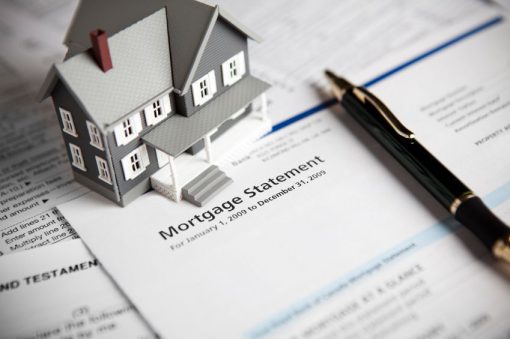
Why Do Property Sales Fall Through?
Few things are more frustrating than seeing a "sold" sticker removed from your property sign. After weeks of inspections, negotiations, and paperwork, a failed sale puts you back at square one.
Understanding why sales fall through—and how to prevent it—can save you time, stress, and money. More importantly, working with an experienced real estate agent who knows your local market significantly increases your chances of a successful sale. Make sure to compare real estate agents before you get started.
About This Guide LocalAgentFinder has supported Australian homeowners through property sales since 2007. This guide covers the most common reasons sales fail and how to protect yourself. For legal advice specific to your situation, always consult a licensed conveyancer or solicitor. Find an experienced agent who minimises the risk of a sale falling over.
6 Common Reasons Property Sales Fall Over
1. Buyer's Remorse
Buying property is one of the largest financial commitments most people make. It's not uncommon for buyers to get cold feet—sometimes right before settlement.
What happens:
- Standard contract clauses often allow buyers to cancel within a cooling-off period without providing a reason
- The buyer may simply choose not to sign the loan paperwork
- They'll typically lose their deposit as a penalty, but the sale still falls through
How to reduce the risk: Experienced agents know how to identify serious buyers and keep them engaged throughout the process. They can address concerns early and prevent last-minute withdrawals.
2. Issues Discovered During Property Inspection
Before settlement, most buyers arrange a professional building and pest inspection. Inspectors are trained to identify potential problems that could affect the property's value or safety.
Common issues found:
- Leaking roofs or water damage
- Cracks in walls or foundations
- Faulty heating, cooling, or electrical systems
- Pest damage or infestation
- Structural concerns
What happens next:
- The buyer may request repairs before proceeding
- They may ask for a price reduction to cover repair costs
- If you can't agree on terms, the sale may be cancelled
How to handle it: Don't panic if inspections reveal minor issues—all homes have some flaws. However, avoid agreeing to unreasonable demands. A skilled agent can help you negotiate fairly and determine which requests are worth addressing.
Pro tip: Consider getting a pre-sale inspection before listing. Knowing about issues upfront lets you address them proactively or price accordingly.
3. Low Property Valuation
Most buyers need mortgage approval, and lenders require a professional valuation to ensure the property is worth the loan amount. If the valuation comes in below the agreed sale price, problems arise.
The buyer's options:
- Pay the difference from their own savings
- Get a second valuation from a different valuer
- Provide the lender with comparable sales data to support the price
- Ask you (the seller) to reduce the sale price
- Request a second mortgage to cover the gap
What usually happens: The most common outcome is the buyer asking for a price reduction. If neither party can agree, the sale falls over.
How to prevent it: An experienced agent prices your property accurately from the start, using recent comparable sales data. Overpricing leads to valuation shortfalls—realistic pricing prevents them.
4. Buyer's Mortgage Gets Rejected
Even with pre-approval, a buyer's loan can be rejected at the final stage. Lenders conduct thorough checks before releasing funds.
Common reasons for rejection:
- Undisclosed debts, liens, or judgments discovered during title searches
- The buyer made large purchases on credit while waiting for approval (changing their debt ratio)
- Employment or income changes since the original application
- Financial information that differs from the initial application
The result: Without finance, the buyer can't proceed—and your property goes back on the market.
How to protect yourself: Your agent can help vet buyers and ensure finance clauses have reasonable timeframes. Accepting offers from pre-approved buyers with stable financial situations reduces this risk.
5. Buyer Can't Sell Their Own Property
Some contracts are conditional on the buyer selling their existing home first. If their sale falls through or takes longer than expected, they may not be able to afford two mortgages.
What happens:
- The buyer withdraws because they can't settle without selling first
- Your property goes back on the market
Options for buyers in this situation:
- Bridging loans
- Lines of credit against their existing home's equity
How to protect yourself: Include clauses in your contract allowing you to accept a better offer if one comes along while waiting for a contingent buyer. Your agent can advise on appropriate contract terms.
6. Contract Disputes or Legal Issues
Sometimes sales fail due to disagreements over contract terms, title issues, or legal complications discovered during conveyancing.
Key insight: The most common cause of a sale falling through in Australia is a bank valuation coming in below the agreed purchase price — leaving buyers unable to secure full finance. Experienced agents price properties using verified comparable sales data, reducing the risk of valuation shortfalls from the outset.
Common issues:
- Boundary disputes
- Easements or covenants the buyer wasn't aware of
- Outstanding council or body corporate issues
- Disagreements over included fixtures or chattels
How to prevent it: Full disclosure upfront and clear contract terms reduce the chance of disputes. A good agent ensures all relevant information is provided to buyers before they make an offer.
How the Right Agent Prevents Sales Falling Through
An experienced real estate agent does more than find buyers—they help ensure sales actually settle. Here's how:
- Accurate pricing – Prevents valuation shortfalls
- Buyer qualification – Identifies serious, financially capable buyers
- Skilled negotiation – Resolves inspection and contract issues before they derail sales
- Local market knowledge – Understands what buyers in your area expect
- Process management – Keeps all parties on track through to settlement
- First-home buyer expertise – Guides nervous buyers through the process, reducing remorse
The difference between a sale that settles and one that falls over often comes down to your agent's experience and attention to detail.
What to Do If Your Sale Falls Through
If you find yourself back on the market, don't panic. Here's how to move forward:
- Understand why it failed – Was it buyer-related, finance-related, or property-related?
- Address any property issues – If inspections revealed problems, consider fixing them
- Review your pricing – If valuation was the issue, reassess your asking price
- Evaluate your agent – Are they doing enough to qualify buyers and manage the process?
- Consider a fresh approach – A new agent with different strategies may deliver better results
Find the Right Agent for a Successful Sale
The best way to avoid a failed sale is to work with an agent who knows how to get deals across the line. Compare real estate agents at LocalAgentFinder to find professionals with:
- Strong local market knowledge
- Proven track records of completed sales
- Experience handling complex negotiations
- Positive reviews from past sellers
Why Sellers Choose LocalAgentFinder
- Compare agents side-by-side – Fees, sales history, marketing strategies
- See verified reviews – Real feedback from homeowners
- Free service – No cost, no obligation
- Trusted since 2007 – Connecting sellers with agents Australia-wide
Ready to Find the Right Agent?
Don't leave your sale to chance. Compare experienced agents in your area and sell with confidence.
Key Takeaways
- Buyer's remorse is common—experienced agents keep buyers engaged
- Inspection issues can be negotiated—don't agree to unreasonable demands
- Low valuations often result from overpricing—accurate pricing prevents this
- Finance rejections happen—vetting buyers reduces the risk
- Contingent sales are risky—protect yourself with appropriate contract clauses
- The right agent significantly increases your chances of a successful settlement
Frequently Asked Questions
The contract is rescinded and the property returns to the market. Depending on the reason and contract terms, the buyer may forfeit their deposit. Legal costs and agent fees may still apply. Your conveyancer can advise on your rights and obligations based on your specific circumstances.
During the cooling-off period (typically 2–5 business days after signing, varying by state), buyers can withdraw — usually forfeiting 0.25% of the purchase price. After cooling-off, withdrawing without invoking a valid contract clause (finance, building) can result in forfeiting the full deposit.
The six most common reasons are: (1) buyer's remorse, (2) issues found during building and pest inspection, (3) bank valuation below the agreed price, (4) mortgage rejection, (5) the buyer being unable to sell their existing property, and (6) legal or contract disputes.
If the buyer withdraws after cooling-off without invoking a valid contract clause, the seller typically retains the deposit. If a legitimate finance or building clause is invoked, the buyer usually receives a full refund. Specific outcomes depend on contract terms and state legislation.
Price your property realistically to avoid bank valuation shortfalls, provide full disclosure upfront to prevent contract disputes, and work with an experienced agent who vets buyers and ensures finance clauses have reasonable timeframes. Accepting offers from pre-approved buyers significantly reduces risk.
Sellers can withdraw before contracts are formally exchanged. Once exchange occurs, sellers are legally bound. Withdrawing after exchange without legal grounds exposes the seller to significant liability — the buyer is entitled to a deposit refund and may pursue additional damages.
Related Pages
Recent Posts
You might also like

10 Questions to Ask a Real Estate Agent When Selling
December 12, 2025
How to Change Real Estate Agents
December 11, 2025